

3450 S. Hualapai Way Las Vegas, NV 89117

Published
09/29/2026Why Does My Tooth Hurt When I Chew? Common Causes and When to See a Dentist
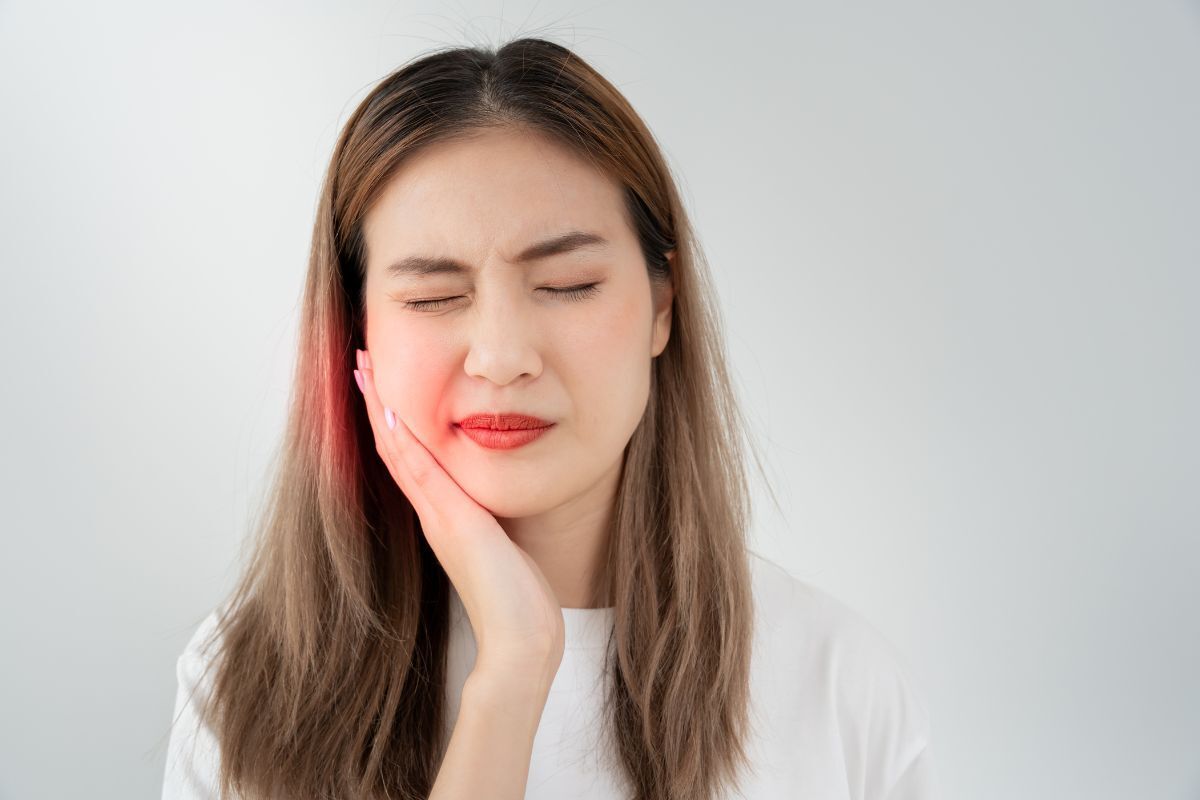
Few sensations are quite as instantly frustrating as biting down on a favorite meal and being met with a sudden, sharp jolt of discomfort. Whether it is a mild ache when you enjoy a crisp apple or a sharp stab of pain when you sip something cool, chewing pain is your body’s way of sending a clear signal that something needs attention.
Understanding what might be happening beneath the surface can help ease your mind before you talk to a professional. Let’s break down the most common culprits behind chewing pain, how to spot the warning signs, and when it is time to connect with a trusted dentist.
Understanding Pain When Chewing
Pain when you bite down is rarely random. Teeth are complex structures made of hard enamel, sensitive dentin, and a soft, nerve-filled center called the pulp. When discomfort flares up specifically under pressure, it usually points to a structural issue, inflammation, or irritation within the tooth or the surrounding gum and bone tissue.
Because different problems create different types of pain, from a dull ache to a sharp, electric shock, paying attention to when and how your tooth hurts can provide valuable clues.
Common Causes of Tooth Pain When Chewing
1. Tooth Decay and Cavities
The most frequent cause of dental discomfort is tooth decay. In its early stages, a cavity might go completely unnoticed. However, as bacteria break through the outer enamel and reach the softer dentin layer, the tooth loses its protective shield. When you bite down, the pressure pushes against the compromised area, irritating the inner nerves and causing a localized ache.
2. A Cracked or Fractured Tooth
Teeth endure a tremendous amount of daily force from chewing, grinding, and clenching. Over time, this stress can cause tiny cracks to form in the enamel—a condition sometimes called “cracked tooth syndrome.”
- The Tell-Tale Sign: A cracked tooth often hurts most when you release the bite, as the two halves of the tooth snap back apart and irritate the nerve.
- The Challenge: These fractures are often invisible to the naked eye and do not always show up clearly on standard dental X-rays, requiring a careful clinical evaluation to diagnose.
3. Damaged Fillings or Restorations
Dental fillings, crowns, and bridges do not last forever. Normal wear and tear, teeth grinding, or simply the passage of time can cause old restorations to chip, loosen, or develop microscopic gaps at the margins. When this happens, bacteria can seep underneath the filling, or the remaining tooth structure can flex unnaturally under pressure, triggering pain every time you eat.
4. Gum Disease (Periodontal Disease)
Sometimes, the pain you feel isn’t coming from the tooth itself, but from the supporting structures around it. Gingivitis and advanced periodontal disease cause inflammation and infection in the gums and jawbone. When the bone and tissue supporting a tooth recede or weaken, the tooth may become slightly loose, causing tenderness and pressure when you chew.
5. Dental Abscess or Infection
If a deep cavity, untreated crack, or severe trauma allows bacteria to reach the innermost pulp chamber, an infection can develop. This often leads to a pocket of pus (an abscess) forming at the root tip. An abscessed tooth typically brings a throbbing, constant ache, swelling in the surrounding gums, sensitivity to hot and cold, and sharp pain when pressure is applied.
6. Teeth Grinding (Bruxism)
Many people unconsciously grind their teeth or clench their jaw, especially during sleep. This places excessive, abnormal force across multiple teeth, fatiguing the jaw muscles and bruising the periodontal ligaments. The result is a dull, generalized soreness when you wake up and try to eat your breakfast.
When to See a Professional
It is easy to adopt a “wait and see” attitude with mild dental discomfort, hoping it will simply vanish on its own. However, dental issues rarely resolve without intervention; instead, they tend to progress.
You should schedule a professional evaluation if you experience:
- Pain that lingers for more than a few seconds after you finish chewing.
- Discomfort that wakes you up at night or interferes with your daily routine.
- Sensitivity to hot or cold temperatures that does not go away.
- Visible chips, cracks, or dark spots on the tooth surface.
- Swelling in the gums, a small pimple-like bump on the gumline, or a foul taste in your mouth.
Delaying treatment can allow a simple, minor fix, like a small filling or a protective nightguard, to escalate into a root canal or extraction. Finding an experienced dentist early on is the best way to protect your natural smile and save yourself unnecessary discomfort and expense.
What to Expect During Your Dental Visit
Visiting the clinic doesn’t have to be stressful. When you visit our dental office, our primary goal is to listen to your concerns, pinpoint the exact source of your discomfort, and map out a gentle, effective treatment plan.
- Comprehensive Examination: Your provider will perform a thorough visual check of your teeth, gums, and existing restorations.
- Advanced Diagnostics: Digital X-rays or specialized transillumination may be used to look inside the tooth structure and identify hidden cracks or decay beneath the gumline.
- Bite Assessment: We will check how your upper and lower teeth come together to ensure uneven pressure isn’t overloading a specific tooth.
- Tailored Treatment Solutions: Whether you need a simple filling replacement, a custom crown, or relief from bruxism with a nightguard, we walk you through your options clearly and transparently.
Ready to Eat Without Pain Again?
Living with chewing discomfort takes the joy out of meals and impacts your daily quality of life. You don’t have to guess what’s causing your toothache or suffer through another painful meal.
If you are looking for an experienced dentist in Las Vegas who prioritizes patient comfort and gentle, comprehensive care, we are here for you. Book an appointment with Willow Springs Dental today, and let us help you get back to smiling, eating, and living comfortably.
Frequently Asked Questions
1. Can a tooth hurt from chewing even if it looks completely normal?
Yes. Micro-fractures (cracks) in the enamel or hidden decay underneath an old filling often leave the outside of the tooth looking pristine while causing sharp pain under pressure. Advanced diagnostic tools help uncover these hidden issues.
2. Why does my tooth hurt only when eating sweet or cold foods?
Sensitivity to sweets, cold, or heat usually indicates that the protective enamel has thinned or a cavity has exposed the underlying dentin, which contains microscopic channels leading directly to the nerve.
3. Will a cracked tooth heal on its own?
Unlike bones, tooth enamel cannot regenerate or heal itself. Once a tooth is cracked, the fracture will typically worsen over time under the pressure of daily chewing unless treated by a dental professional.
4. How can I manage the pain before my appointment?
While waiting to see a professional, you can rinse gently with warm salt water, stick to soft foods, and avoid chewing directly on the affected side. Over-the-counter pain relievers can help manage inflammation temporarily, but they are not a substitute for professional care.
Blog Post Author

Contributed by DentalROI
DentalROI provides relevant dental content to help providers educate patients. The statements, services, and products referenced in this article have not been evaluated by the Food and Drug Administration, and they are not intended as a substitute for professional medical advice, diagnosis, or treatment. Always seek the advice of your dental provider with any questions or issues you may have. Specific recommendations may vary in different circumstances, so individual consultation is important.
SEARCH
POPULAR POSTS
What Happens When You Leave a Missing Tooth Untreated?
Why Do My Teeth Hurt When Eating Sweets or Cold Foods?
Why Does My Tooth Hurt When I Chew? Common Causes and When to See a Dentist
Cracked Tooth Syndrome: Why Your Back Tooth Hurts When You Chew
Dental Implants vs. Dentures: Pros, Cons, and Long-Term Value
How Often Can You Whiten Your Teeth Safely?
Professional Teeth Whitening vs. DIY
Benefits of Same-Day Crowns
What are Dental Veneers?
Benefits of Root Canal Treatment