

3450 S. Hualapai Way Las Vegas, NV 89117

Published
09/08/2026How Often Can You Whiten Your Teeth Safely?
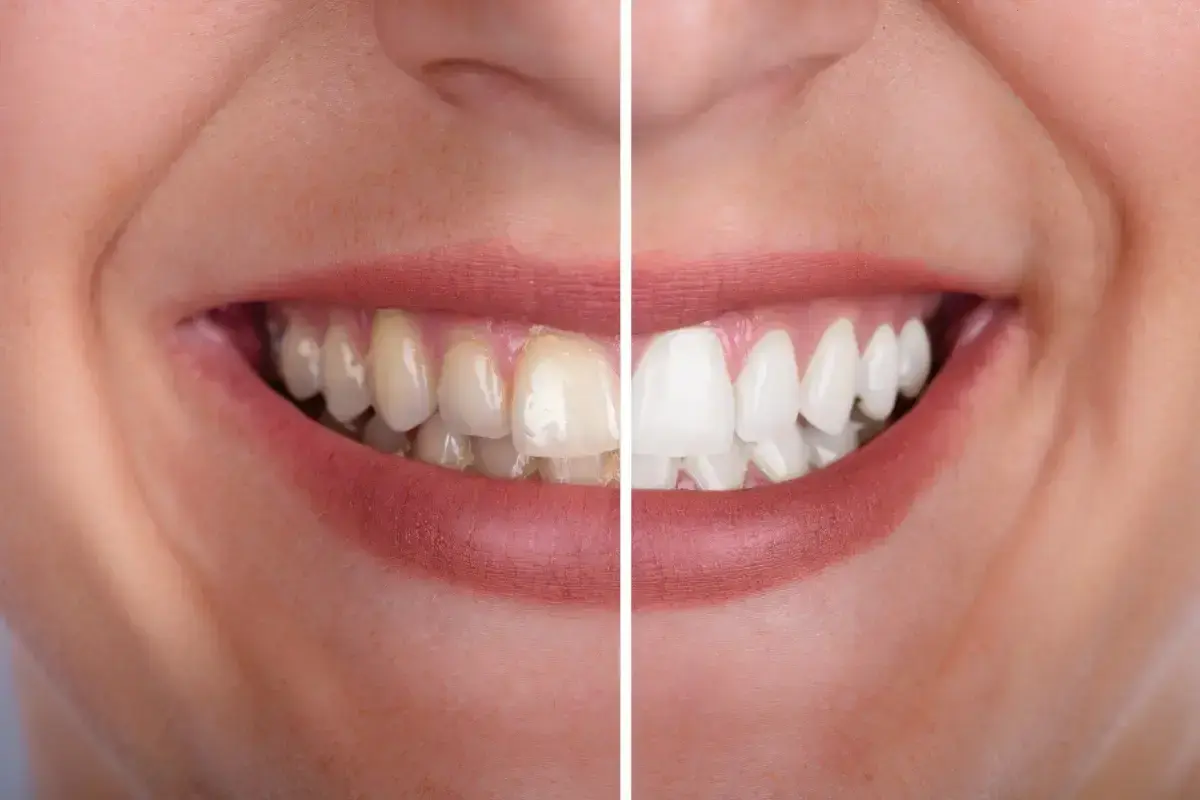
If you have ever stood in front of a mirror wondering whether your smile has lost some of its shine, you are not alone. Most people can safely brighten their smile once every four to six months, though the right pace depends on the method you choose, the strength of the product, and how your teeth and gums respond along the way. There is no single number that works for everyone, but there is a clear range that dentists generally consider safe, and understanding it can save you from sensitivity, gum irritation, or wasted money on treatments that simply do not add value once your teeth have reached their natural limit.
Why Frequency Actually Matters
Tooth enamel is not something you can bleach endlessly without consequence. Every session, whether it happens in a dental chair or on your bathroom counter, uses a peroxide-based gel to lift stains from within the tooth structure. Used correctly, this process is gentle and effective. Used too often, it can wear down the protective layer of your teeth and leave the softer inner layer, called dentin, more exposed. That exposure is usually what causes the sharp, sudden sensitivity people describe after overdoing it with whitening strips or trays.
Think of it less like scrubbing a stain out of fabric and more like conditioning leather. A little care at the right pace keeps it looking good for years. Too much handling, too quickly, and you start to see wear that is hard to reverse.
Professional Treatments Follow a Different Timeline Than At-Home Kits
The method you use changes how often you should repeat it.
In-office treatments, done under a dentist’s supervision, use a stronger concentration of bleaching agent. Because of that strength, results show up fast, often in a single visit. Dentists typically recommend spacing these appointments six months to a year apart, giving your enamel plenty of time to recover and remineralize between sessions.
At-home trays and strips, available over the counter or provided by your dentist for take-home use, are gentler but slower. Many people repeat these kits every few months, though the exact spacing depends on the product’s peroxide concentration. A lower strength gel used a bit more frequently often produces the same long-term outcome as a stronger gel used sparingly, without the same risk of irritation.
Whitening toothpaste and rinses are the mildest option and are generally safe for daily use since they rely on mild abrasives rather than bleaching chemicals. They will not dramatically change your shade, but they help maintain results between more intensive sessions.
Signs You Might Be Whitening Too Often
Your mouth usually tells you when it needs a break, if you know what to look for.
- A lingering zing when you sip something cold or hot, lasting longer than a few seconds
- Gums that look red, feel tender, or sting near the gum line after a session
- White or splotchy patches on the enamel surface instead of an even tone
- A feeling of roughness on the tooth surface that was not there before
If any of these show up, it is worth pausing your routine for a few weeks rather than pushing through for a marginally brighter result.
How To Stretch Results Without Overdoing It
You do not need to repeat a full whitening session every time your smile looks a shade duller. A few habits go a long way toward preserving results.
Rinse with water after coffee, tea, or red wine rather than letting the liquid sit on your enamel. Use a straw for dark, staining drinks when you can. Brush twice daily with a fluoride toothpaste, and consider a whitening formula for gentle daily upkeep. Schedule routine cleanings, since a professional cleaning removes surface buildup that dulls the appearance of your teeth without any bleaching agent at all.
These small changes can extend the life of a whitening session by weeks or even months, which means fewer treatments overall and less exposure to peroxide-based products.
When To Check With a Dentist First
Not every mouth is a good candidate for frequent teeth whitening. Existing fillings, crowns, or veneers will not change shade the way natural enamel does, which can create an uneven look if you whiten too aggressively around them. Sensitive teeth, receding gums, or untreated cavities are also reasons to get a professional opinion before starting or repeating a teeth whitening routine. A quick check up can catch these issues early and help you choose a pace that fits your specific situation rather than a generic timeline pulled from a product box.
Ready for a Smile That Turns Heads?
A brighter smile should feel good, not come with weeks of sensitivity or guesswork about what is actually safe for your teeth. Our team in Las Vegas takes the time to review your enamel, dental history, and goals before recommending a schedule appointment that works for you. Visit our dental clinic and let the friendly team at Willow Springs Dental map out a whitening plan built around your smile, not a generic timeline. Your teeth in Las Vegas deserve care that lasts, and we are here to help you get there.
Frequently Asked Questions :
1. Is it bad to whiten your teeth every week?
Yes, weekly sessions are generally too frequent for most products and can lead to enamel wear and gum sensitivity over time. Spacing sessions out gives your mouth time to recover.
2. How long do whitening results usually last?
Results typically last anywhere from six months to two years, depending on your diet, oral hygiene habits, and whether you smoke or consume a lot of dark colored beverages.
3. Can whitening damage my enamel permanently?
Occasional, properly spaced treatments are considered safe. Overuse, however, can thin enamel over time, which is why following a reasonable schedule matters.
4. Do natural teeth and dental work whiten at the same rate?
No. Crowns, veneers, and fillings do not respond to bleaching gels the same way natural enamel does, so a mismatch in color can develop if you whiten too often.
5. What should I do if my teeth feel sensitive after whitening?
Pause treatments for one to two weeks, use a toothpaste made for sensitive teeth, and avoid extremely hot or cold foods until the discomfort settles.
Blog Post Author

Contributed by DentalROI
DentalROI provides relevant dental content to help providers educate patients. The statements, services, and products referenced in this article have not been evaluated by the Food and Drug Administration, and they are not intended as a substitute for professional medical advice, diagnosis, or treatment. Always seek the advice of your dental provider with any questions or issues you may have. Specific recommendations may vary in different circumstances, so individual consultation is important.
SEARCH
POPULAR POSTS
What to Do If a Dental Filling or Crown Falls Out
Why You Should See a Dentist for Your Teeth Whitening
What Happens When You Leave a Missing Tooth Untreated?
Why Do My Teeth Hurt When Eating Sweets or Cold Foods?
Why Does My Tooth Hurt When I Chew? Common Causes and When to See a Dentist
Cracked Tooth Syndrome: Why Your Back Tooth Hurts When You Chew
Dental Implants vs. Dentures: Pros, Cons, and Long-Term Value
How Often Can You Whiten Your Teeth Safely?
Professional Teeth Whitening vs. DIY
Benefits of Same-Day Crowns