

3450 S. Hualapai Way Las Vegas, NV 89117

Published
10/29/2026What to Do If a Dental Filling or Crown Falls Out
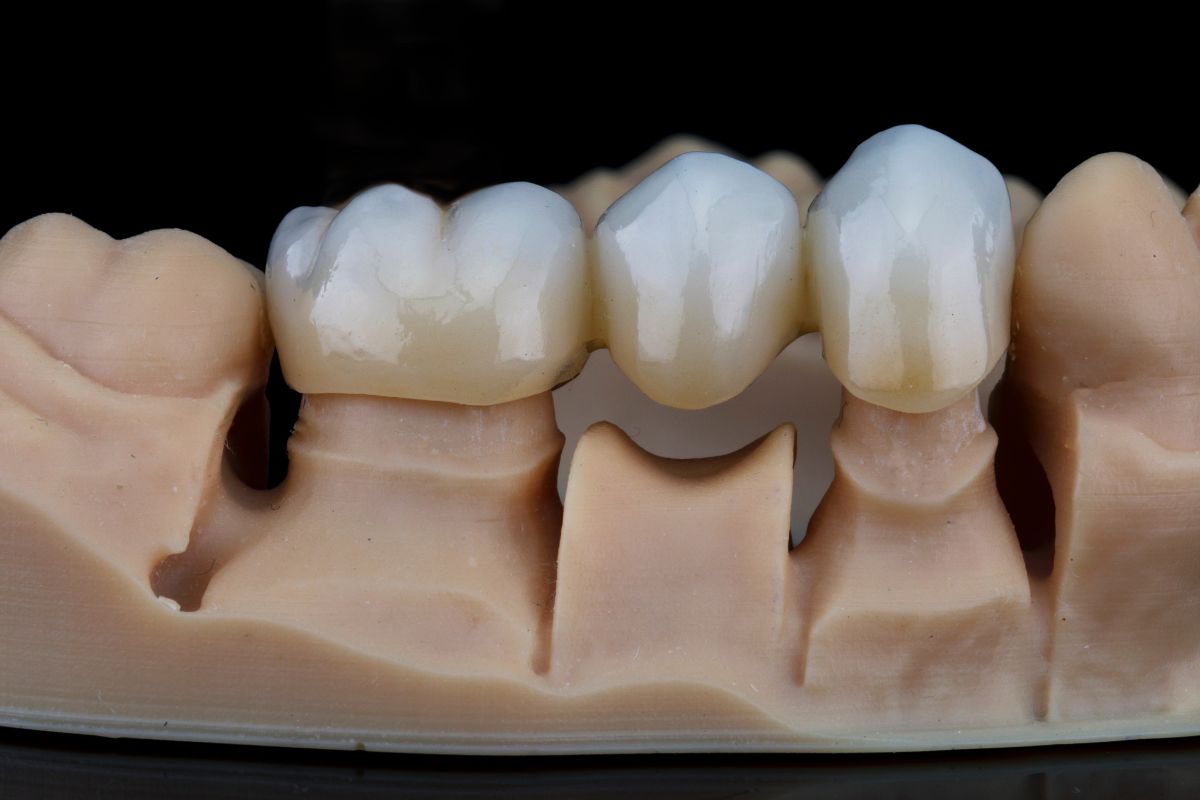
You’re enjoying a quiet evening, chewing on a meal, or enjoying a snack, and suddenly you feel something hard and unfamiliar in your mouth. You reach in and realize with a wave of panic that a dental filling or crown has popped right off.
It’s an uncomfortable, disorienting moment, but take a deep breath: this is a very common dental situation, and it can be fixed easily when handled promptly.
Whether you’re dealing with a lost crown on a molar or a missing filling in the front, knowing the right steps to take can prevent further damage, manage pain, and keep your smile intact. Here is a step-by-step guide on what to do if a dental restoration comes loose, how to protect your tooth at home, and when to get professional care.
Step 1: Stay Calm and Remove the Filling or Crown
The moment you realize a piece of dental work has come loose, your immediate goal is to prevent swallowing or inhaling it.
- Remove it gently: Carefully remove the crown or filling from your mouth.
- Inspect what came loose: If it’s a crown, it will look like a hollow tooth cover. If it’s a filling, it may look like a small piece of silver, gold, composite resin, or tooth-colored material.
- Store it safely: If you have the crown, gently clean off any debris with warm water, dry it, and place it in a clean container or small zip-top bag.
- Do not throw it away. In many cases, an expert dentist can re-cement an undamaged crown back onto your tooth, saving you both time and money.
Step 2: Evaluate Your Symptoms
Once the restoration is safely secured, take a moment to assess how your mouth feels. Missing fillings and crowns affect people differently depending on how much underlying tooth structure or nerve tissue is exposed.
- Mild Sensitivity: You might feel a sharp zing when air, hot drinks, or cold water touch the exposed area. This is completely normal because the protective outer layer of your tooth is gone.
- Sharp or Constant Pain: If you experience severe, throbbing pain, the nerve (pulp) inside the tooth may be exposed or irritated.
- No Pain at All: If the tooth previously had a root canal, you won’t feel pain because the nerve has been removed. However, the remaining structure is still fragile and vulnerable to fractures, so immediate care is still necessary.
Step 3: Temporary At-Home Measures Before Your Visit
While you wait for your appointment, there are several simple steps you can take at home to keep the tooth safe and minimize discomfort.
1. Protect the Exposed Tooth
Exposed dentin or enamel is vulnerable to bacteria and thermal shock. You can temporarily shield it using products available at most local pharmacies:
- Over-the-Counter Dental Cement: Products containing zinc oxide can temporarily re-seat a hollow crown over your tooth. Follow the package directions carefully.
- Temporary Filling Material: For a lost filling, temporary filling putty can plug the gap short-term to block air and food particles.
- Sugar-Free Gum or Dental Wax: If temporary cement isn’t available, placing a tiny piece of softened sugar-free gum or orthodontic wax over the sharp edges can protect your tongue and cheek from irritation. (Never use regular gum containing sugar, as sugar will feed bacteria and inflame sensitive tooth nerves).
Important Warning: Never use standard household glue, superglue, or craft adhesives to put a crown back in place. These chemicals are toxic, can cause irreversible tissue damage, and will make re-fitting the crown professionally nearly impossible.
2. Manage Pain and Swelling
- Over-the-Counter Relievers: Medications like ibuprofen or acetaminophen can help reduce inflammation and keep discomfort manageable.
- Clove Oil: Dab a tiny amount of clove oil onto a cotton swab and apply it gently to the sensitive area. Eugenol, the active component in clove oil, has natural numbing properties.
- Saltwater Rinse: Swish gently with warm salt water (1/2 teaspoon of salt in a glass of warm water) after meals. This cleanses the area, kills bacteria, and calms irritated gums.
3. Eat with Caution
- Avoid chewing on the side of your mouth where the restoration fell out.
- Stick to soft, warm foods like soups, yogurts, mashed potatoes, and smoothies.
- Avoid extremely hot, cold, sticky, crunchy, or sugary foods.
Step 4: Schedule an Appointment Promptly
While temporary home fixes buy you a little time, they are not permanent solutions. Leaving a tooth exposed for days or weeks opens the door to bacteria, which can cause fresh decay underneath the old restoration area. The exposed tooth can also shift, fracture, or develop a painful abscess.
Reach out to a trusted dentist near you right away to explain what happened. Most dental offices keep time open in their daily schedules specifically to handle urgent restoration repairs.
Why Do Crowns and Fillings Fall Out?
Understanding why your restoration came loose helps prevent it from happening again in the future. The most common reasons include:
| Common Cause | What Happens |
| New Decay Underneath | Bacteria can sneak around the edges of an old restoration over time, softening the natural tooth holding the crown or filling in place. |
| Normal Wear & Tear | Dental cements and bonding resins break down naturally after 10 to 15+ years of daily chewing pressure. |
| Sticky or Hard Foods | Chewing on hard candies, ice, nuts, or sticky treats like caramel can break the bond or physically pull a crown off its anchor. |
| Teeth Grinding (Bruxism) | Clenching or grinding your teeth at night places heavy lateral stress on restorations, causing them to loosen or crack over time. |
| Trauma or Impact | A direct blow to the mouth during sports or an accidental bump can displace dental work. |
What to Expect at the Dental Office
When you arrive for your visit, your dentist will examine the area, take a targeted digital X-ray, and walk you through the best path forward:
- If the Crown is Intact & Tooth is Healthy: Your dentist will clean out the old cement from inside the crown, disinfect the exposed tooth structure, and permanently re-cement the crown back in place.
- If There is New Decay: The dentist will remove any soft, decayed tooth structure first. If enough healthy tooth structure remains, a new filling or a freshly crafted crown will be ordered.
- If the Tooth is Fractured or Deeply Damaged: If the breakage extends near the pulp, root canal therapy or a supportive core buildup may be needed before placing a fresh custom crown.
Frequently Asked Questions
1. Is a fallen crown or filling considered a dental emergency?
While it is rarely a life-threatening emergency, it is a priority situation that requires prompt care within 24 to 48 hours. Seeking timely treatment prevents bacteria from damaging the remaining tooth structure and avoids more extensive procedures down the road.
2. What should I do if I accidentally swallowed my crown or filling?
If you swallowed a small restoration, it will typically pass through your digestive tract naturally without issue. However, if you experience coughing, difficulty breathing, or chest pain after swallowing it, seek emergency medical care immediately to ensure it did not enter your airway.
3. Can a lost crown be reattached?
Yes! If the existing crown is unbroken, fits securely over the tooth, and there is no new decay beneath it, your dentist can easily disinfect and re-cement it in a single short visit.
4. How long can I wait before seeing a dentist?
You should aim to see your dentist within 1 to 2 days. Leaving a tooth bare longer than a few days allows surrounding teeth to shift into the empty space, which can ruin your bite alignment and make re-fitting your original crown impossible.
Protect Your Smile with Willow Springs Dental
A lost crown or missing filling can throw off your day, but getting your smile back on track doesn’t have to be stressful. Timely, high-quality dental care ensures your natural teeth stay strong, healthy, and functional for years to come.
If you or a family member are dealing with a loose restoration, chipped tooth, or sudden discomfort, don’t wait for the pain to get worse. At Willow Springs Dental, our friendly team provides gentle, expert care in a comfortable environment tailored to your needs.
Need fast relief? Contact us today to book an appointment or visit our dental office to let our team restore your comfort and protect your smile!
Blog Post Author

Contributed by DentalROI
DentalROI provides relevant dental content to help providers educate patients. The statements, services, and products referenced in this article have not been evaluated by the Food and Drug Administration, and they are not intended as a substitute for professional medical advice, diagnosis, or treatment. Always seek the advice of your dental provider with any questions or issues you may have. Specific recommendations may vary in different circumstances, so individual consultation is important.
SEARCH
POPULAR POSTS
What to Do If a Dental Filling or Crown Falls Out
Why You Should See a Dentist for Your Teeth Whitening
What Happens When You Leave a Missing Tooth Untreated?
Why Do My Teeth Hurt When Eating Sweets or Cold Foods?
Why Does My Tooth Hurt When I Chew? Common Causes and When to See a Dentist
Cracked Tooth Syndrome: Why Your Back Tooth Hurts When You Chew
Dental Implants vs. Dentures: Pros, Cons, and Long-Term Value
How Often Can You Whiten Your Teeth Safely?
Professional Teeth Whitening vs. DIY
Benefits of Same-Day Crowns