

3450 S. Hualapai Way Las Vegas, NV 89117

Published
09/16/2026Dental Implants vs. Dentures: Pros, Cons, and Long-Term Value
Losing a tooth, or multiple teeth, can change how you feel about your daily life. From the foods you can comfortably enjoy to the confidence you project when you laugh or smile, your dental health plays a massive role in your overall quality of life. If you are currently facing missing teeth or struggling with failing dental work, you are certainly not alone. Millions of Americans navigate these exact restorative choices every year.
When it comes to replacing missing teeth, two primary solutions tend to dominate the conversation: dental implants and traditional dentures. Both options have helped countless individuals restore their oral function and aesthetics, but they work in fundamentally different ways. Making the right decision depends on your budget, lifestyle, health history, and long-term goals.
Let’s break down the pros, cons, and long-term value of dental implants versus dentures so you can feel empowered heading into your next dental visit.
Understanding the Contenders
Before diving into the comparisons, it helps to understand what each solution actually entails.
- Traditional Dentures: These are removable replacements for missing teeth and surrounding tissues. They come in two main varieties: complete dentures (used when all teeth are missing) and partial dentures (used when some natural teeth remain, anchored by metal clasps).
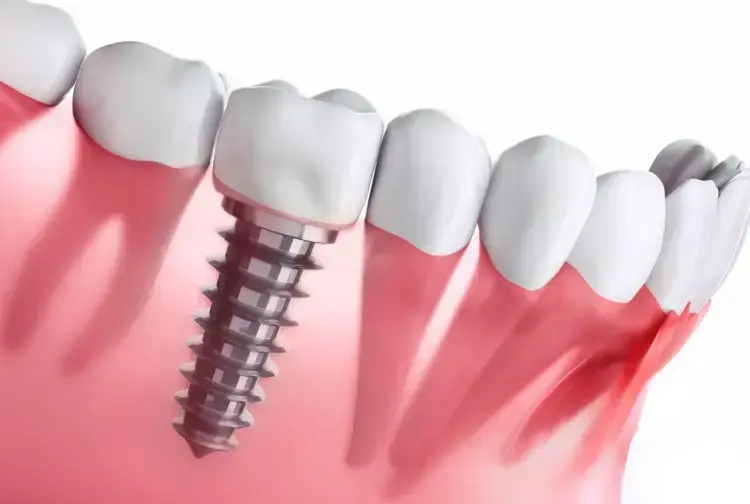
- Dental Implants: These are permanent tooth replacements designed to mimic natural teeth from root to crown. A small titanium post is surgically placed into the jawbone, acting as an artificial root. Once the bone fuses with the post, a custom-crafted porcelain crown is secured on top.
Traditional Dentures: Pros and Cons
Dentures have been a staple of restorative dentistry for generations. They provide a non-surgical way to replace a full arch of teeth, making them a popular choice for many patients.
The Pros of Dentures
- Affordability Upfront: Generally speaking, traditional dentures are much more cost-effective upfront than surgical alternatives like implants.
- Non-Invasive Process: Getting dentures does not require oral surgery or a lengthy healing period. For patients with certain underlying health conditions that rule out surgery, this is a major benefit.
- Restored Appearance and Function: Modern dentures look much more natural than the options available decades ago. They instantly restore facial volume, prevent your cheeks from looking sunken, and allow you to chew many of your favorite foods again.
- Quick Turnaround: The fabrication process is relatively fast, meaning you can transition from missing teeth to a complete smile in a shorter timeframe.
The Cons of Dentures
- The Adjustment Period: Learning to speak and eat comfortably with removable dentures takes time and patience.
- Risk of Slipping: Even well-fitting dentures can occasionally shift, slip, or click when you laugh, cough, or eat sticky foods. Many patients rely on messy adhesives to keep them secure.
- Bone Resorption: Because dentures sit on top of the gums rather than replacing the tooth root, they do not stimulate the underlying jawbone. Over time, the jawbone naturally shrinks (resorbs), which can change your facial structure and require periodic relining or replacement of your dentures.
- Daily Maintenance: Remove dentures nightly, soak them in specialized cleaning solutions, and brush them carefully to prevent staining and bacterial buildup.
Dental Implants: Pros and Cons
Considered the gold standard in modern tooth replacement, dental implants offer a permanent, rock-solid solution that feels, functions, and looks just like natural teeth.
The Pros of Dental Implants
- Unmatched Durability and Longevity: With proper brushing, flossing, and routine dental checkups, implants can last a lifetime. They represent a one-time investment in your long-term health.
- Preservation of Jawbone Health: This is the biggest differentiator. Because an implant replaces the natural tooth root, it transmits chewing pressure to the jawbone. This stimulates bone tissue, preventing the bone loss and facial sagging associated with missing teeth.
- No Food Restrictions: Once fully integrated, dental implants function with nearly 100% of the bite force of natural teeth. You can bite into crisp apples, corn on the cob, and steaks without a second thought.
- Natural Feel and Convenience: Implants don’t slip, require no messy adhesives, and are cared for like natural teeth, needing only regular brushing and flossing. They don’t affect your speech or require removal at night.
The Cons of Dental Implants
- Higher Initial Cost: The precision engineering, high-grade materials, and multi-step surgical process make implants a more significant upfront financial investment.
- Surgical Procedure Required: Placing an implant requires minor oral surgery and a healing period (osseointegration) where the bone fuses to the titanium post. This process can take several months.
- Health and Healing Requirements: Not everyone is an immediate candidate for implants. Patients with uncontrolled diabetes, severe periodontal disease, or insufficient jawbone density may require preparatory procedures like bone grafting before moving forward.
Long-Term Value: Looking Beyond the Price Tag
When evaluating dental implants versus dentures, looking only at the initial price tag can be misleading.
While traditional dentures cost significantly less at the start, they come with recurring long-term expenses. Over a lifetime, dentures often need to be adjusted, relined, or completely replaced every 5 to 8 years because of normal wear and shifting jawbones. Furthermore, because dentures do not stop bone loss, older denture wearers often face complex facial structural changes that require additional dental interventions.
On the other hand, dental implants cost more upfront, but they are built to last decades, often a lifetime. Because they protect your jawbone and surrounding teeth from deterioration, they often eliminate the need for downstream corrective treatments. When you calculate the cost per year of a permanent, hassle-free smile, dental implants frequently provide extraordinary long-term value.
Making Your Decision with a Professional
Choosing how to restore your smile is a deeply personal decision that should never be rushed. Every patient’s mouth, bite alignment, and oral health history are completely unique.
If you are weighing your options and want expert guidance tailored to your specific goals, the best step is to consult a qualified implant dentist. A professional evaluation, including advanced digital imaging, can determine whether your jawbone density supports an implant or if traditional dentures are a better fit for your immediate lifestyle.
To explore your options in a comfortable, state-of-the-art environment, visit our dental office. Our team is here to answer your questions, ease your worries, and map out a personalized treatment plan designed to restore your confidence.
Ready to Transform Your Smile?
You don’t have to live with the discomfort or self-consciousness of missing teeth. Whether you are leaning toward the permanent stability of dental implants or the reliable comfort of traditional dentures, Maryland Family & General Dentistry is here to help you navigate your journey toward a healthier, brighter smile.
Don’t wait another day to reclaim your confidence and your favorite foods. Book an appointment with Maryland Family & General Dentistry today and take the first step toward a lifetime of better oral health!
Frequently Asked Questions
1. Are dental implants painful?
Most patients report that the procedure is surprisingly comfortable. Because dental implant surgery is performed under local anesthesia (and often with the option of sedation dentistry), you won’t feel pain during the procedure. Mild soreness afterward is normal, but it is typically well-managed with over-the-counter pain relievers and subsides within a few days.
2. Can anyone get dental implants, or is there an age limit?
There is no upper age limit for dental implants; healthy seniors get them successfully all the time! However, candidates must have sufficient jawbone density and good general oral health. If you have bone loss, procedures like bone grafting can often rebuild the area to make implants possible.
3. How do I clean and care for dental implants?
Caring for implants is remarkably simple because you treat them just like natural teeth. Regular brushing twice a day, daily flossing (using specialized floss or interdental brushes around the implant crown), and routine cleanings at your dental office will keep them healthy for a lifetime.
4. How long do traditional dentures last?
While dentures are durable, they do experience wear and tear. On average, traditional dentures last between 5 and 7 years. Over time, your jawbone naturally changes shape, meaning your dentures will eventually need to be relined, adjusted, or replaced to maintain a comfortable, secure fit.
Blog Post Author

Contributed by DentalROI
DentalROI provides relevant dental content to help providers educate patients. The statements, services, and products referenced in this article have not been evaluated by the Food and Drug Administration, and they are not intended as a substitute for professional medical advice, diagnosis, or treatment. Always seek the advice of your dental provider with any questions or issues you may have. Specific recommendations may vary in different circumstances, so individual consultation is important.
SEARCH
POPULAR POSTS
What Happens When You Leave a Missing Tooth Untreated?
Why Do My Teeth Hurt When Eating Sweets or Cold Foods?
Why Does My Tooth Hurt When I Chew? Common Causes and When to See a Dentist
Cracked Tooth Syndrome: Why Your Back Tooth Hurts When You Chew
Dental Implants vs. Dentures: Pros, Cons, and Long-Term Value
How Often Can You Whiten Your Teeth Safely?
Professional Teeth Whitening vs. DIY
Benefits of Same-Day Crowns
What are Dental Veneers?
Benefits of Root Canal Treatment