

3450 S. Hualapai Way Las Vegas, NV 89117
Published
10/16/2026What Happens When You Leave a Missing Tooth Untreated?
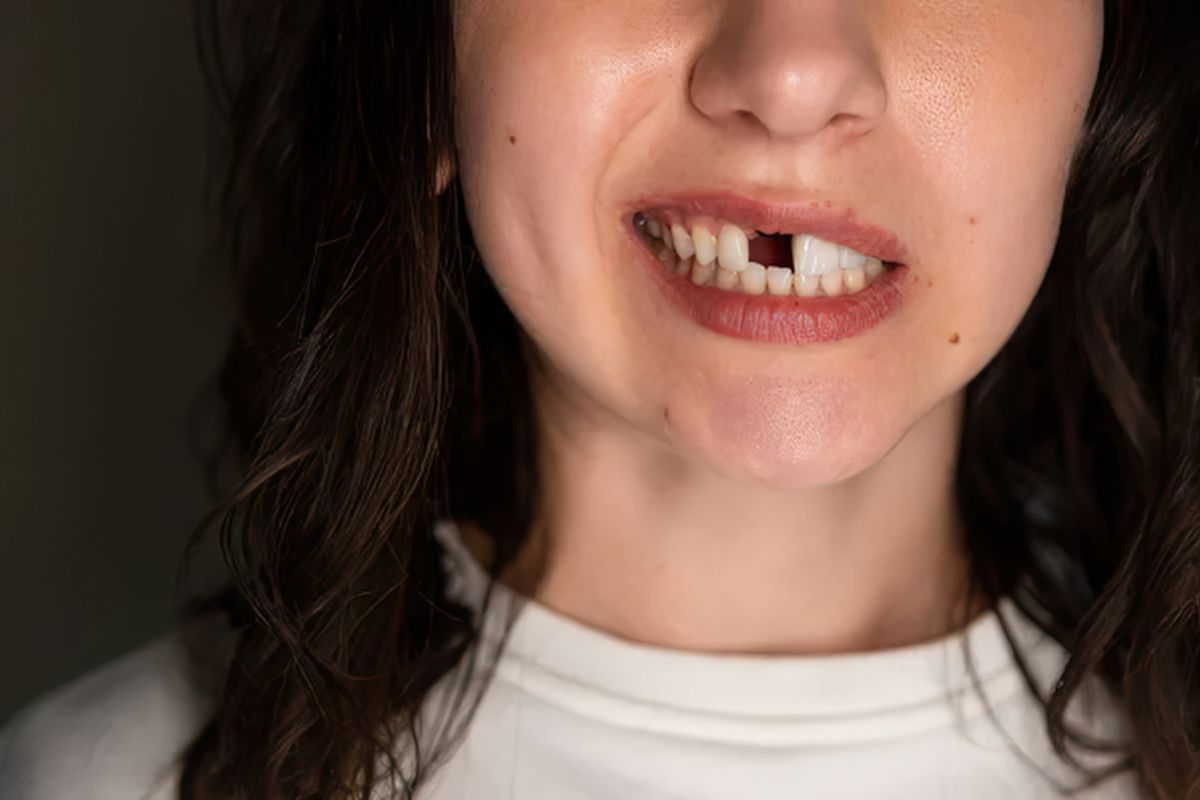
Losing a tooth—whether from an unexpected injury, severe decay, or an extraction—can disrupt your day. At first, it might seem like a minor cosmetic issue, especially if the gap is tucked toward the back of your mouth where no one else can see it. You might think, “I can still chew on the other side, so why deal with the hassle and expense of replacing it right now?”
It is easy to push dental treatment down your to-do list, but leaving a missing tooth untreated sets off a chain reaction beneath your gums that impacts your overall oral health, facial structure, and quality of life.
At Willow Springs Dentistry, we believe that understanding what happens behind the scenes helps you make informed choices about your smile. Here is a clear look at the hidden consequences of an untreated missing tooth and how timely dental care protects your health for years to come.
The Hidden Domino Effect of a Missing Tooth
Your teeth work as a synchronized team. Each tooth relies on its neighbors and its partner in the opposing jaw to maintain stability, alignment, and function. When one member of that team goes missing, the entire system begins to shift.
1. Neighboring Teeth Start to Shift and Drift
Teeth are not permanently fixed in stone; they are anchored in living tissue and bone. Without a neighbor to hold them in place, adjacent teeth slowly tilt, lean, and drift into the empty space.
This shifting creates several secondary problems:
- Misalignment and Bite Issues: As teeth shift, your top and bottom teeth no longer meet properly. This bad bite (malocclusion) can cause uneven wear and tear on your remaining natural teeth.
- Hard-to-Clean Traps: Tilting teeth create tight, awkward gaps and pockets that standard brushing and flossing can’t reach. Food debris and bacteria collect in these areas, increasing your risk of tooth decay and gum disease in adjacent healthy teeth.
2. Opposing Teeth Super-Erupt
Your teeth need counter-pressure from the opposing jaw to stay anchored at the proper depth. When a lower tooth is lost, the corresponding upper tooth no longer has anything to strike against when you chew. Over time, that upper tooth can move downward out of the gum line in a process called super-eruption. This exposes the tooth’s root surfaces, causing extreme sensitivity and increasing the risk of root caries or tooth loss.
3. Jawbone Loss (Bone Resorption)
This is one of the most significant yet overlooked consequences of a missing tooth. Your jawbone needs physical stimulation to maintain its density and strength, which comes directly from the roots of your teeth as you bite and chew.
When a tooth root is gone, the surrounding jawbone loses that stimulation. The body recognizes that the bone is no longer being used and begins to absorb (reabsorb) the mineral tissue. Within the first year following a tooth extraction or loss, you can lose a substantial amount of bone volume in that specific area. Once jawbone loss begins, it can make future tooth replacement procedures—like dental implants—more complex, often requiring bone grafting first.
4. Changes in Facial Structure and Premature Aging
Your teeth and jawbone provide the structural scaffolding for your lips, cheeks, and lower face. As bone loss progresses across the jaw, the lower half of your face can lose height and support.
This structural collapse leads to several cosmetic changes:
- Sunken, hollow cheeks
- Thinning lips
- Deepened lines around the mouth (marionette lines)
- A shorter distance between the nose and chin
These changes can make a person look significantly older than they are, even if only one or two back teeth are missing.
5. Chewing Difficulties and Digestive Problems
Digestion begins in the mouth. Teeth are designed to slice, tear, and grind food into manageable pieces so your stomach can digest nutrients efficiently. Missing even a single molar makes chewing tough or fibrous foods—like raw vegetables, nuts, and lean meats—difficult or painful.
When you cannot chew comfortably, you may start avoiding nutrient-dense whole foods in favor of softer, heavily processed options. Alternatively, swallowing inadequately chewed food strains your digestive tract, leading to indigestion or bloating.
6. Speech Impairment and Self-Consciousness
Teeth play an essential role in speech articulation. They help control airflow and give your tongue a surface to press against to form specific consonant sounds, such as th, f, v, s, and z. A gap—especially near the front of the mouth—can cause a slight lisp or whistling sound when you speak. Combined with feeling self-conscious about showing a gap when smiling or laughing, this can take a toll on your confidence in social and professional settings.
Modern Solutions for Replacing Missing Teeth
The good news is that modern restorative dentistry offers several comfortable, reliable ways to replace missing teeth and restore your smile. When you visit our dental office, our team takes the time to evaluate your bone health, lifestyle, and budget to help you choose the best treatment option.
| Treatment Option | Primary Benefits | Best Suited For |
| Dental Implants | • Mimics the natural tooth root • Prevents jawbone loss • Does not affect adjacent teeth • Longest-lasting solution | Single or multiple missing teeth with adequate bone density |
| Dental Bridges | • Restores aesthetics and chewing function quickly • Fixed in place (non-removable) • Cost-effective alternative to implants | Replacing 1–3 adjacent missing teeth anchored by healthy neighbors |
| Partial Dentures | • Non-invasive treatment option • Budget-friendly • Easily replaces multiple scattered missing teeth | Replacing multiple missing teeth across different areas of the arch |
Why Early Intervention Matters
Addressing a missing tooth early saves you time, discomfort, and money. Restoring a tooth right after loss requires simpler procedures. Waiting years often means you’ll need orthodontics to correct shifted teeth, treat gum disease, or rebuild lost bone before you can even begin the replacement process.
Partnering with an expert dentist ensures your treatment plan is tailored to protect your long-term health.
Frequently Asked Questions
1. How long can I wait after a tooth extraction before replacing it?
Discuss your replacement plan before the tooth is extracted or immediately afterward. While the socket needs a few weeks to heal, significant bone loss and tooth shifting can begin within 3 to 6 months. Early planning ensures a smoother restoration process.
2. Is a dental implant better than a bridge for a missing tooth?
In most cases, a dental implant is the gold standard because it replaces both the root and crown of the tooth and preserves your jawbone without relying on adjacent teeth for support. However, dental bridges remain a durable, high-quality solution if you prefer a non-surgical option or have health factors that make implants less ideal.
3. Will insurance cover the cost of replacing a missing tooth?
Many dental insurance policies offer partial coverage for restorative procedures such as bridges, partial dentures, and sometimes implants or crowns. Our administrative team works directly with your insurance provider to maximize your benefits and clarify out-of-pocket costs upfront.
Schedule Your Consultation with Willow Springs Dental
Ignoring a missing tooth may seem convenient in the short term, but acting now prevents costly, complex dental issues down the road. You deserve a complete, functional smile that lets you chew, speak, and laugh with complete confidence.
At Willow Springs Dental, our compassionate team is dedicated to delivering high-quality, comfortable dental care tailored to your individual needs. Whether you recently lost a tooth or have lived with a gap for years, we are here to help you explore your options in a relaxed, welcoming environment.
Don’t wait for dental issues to progress. Take the first step toward a healthier, fully restored smile today—book an appointment with our experienced team at Willow Springs Dental!
Blog Post Author

Contributed by DentalROI
DentalROI provides relevant dental content to help providers educate patients. The statements, services, and products referenced in this article have not been evaluated by the Food and Drug Administration, and they are not intended as a substitute for professional medical advice, diagnosis, or treatment. Always seek the advice of your dental provider with any questions or issues you may have. Specific recommendations may vary in different circumstances, so individual consultation is important.
SEARCH
POPULAR POSTS
What Happens When You Leave a Missing Tooth Untreated?
Why Do My Teeth Hurt When Eating Sweets or Cold Foods?
Why Does My Tooth Hurt When I Chew? Common Causes and When to See a Dentist
Cracked Tooth Syndrome: Why Your Back Tooth Hurts When You Chew
Dental Implants vs. Dentures: Pros, Cons, and Long-Term Value
How Often Can You Whiten Your Teeth Safely?
Professional Teeth Whitening vs. DIY
Benefits of Same-Day Crowns
What are Dental Veneers?
Benefits of Root Canal Treatment